
Sustainable and Natural Alternatives to Petrochemical Performance Textiles
Sustainable alternatives to petrochemical performance textiles fall into four main categories: waxed cotton, tightly woven natural fabrics (like Ventile), wool, and cellulose-based membranes. Each replaces a different part of what synthetic materials like nylon, polyester, and PTFE membranes normally do — windproofing, water resistance, or breathability — without relying on plastics or PFAS-based coatings.
For decades, "waterproof and breathable" has meant synthetic: nylon or polyester face fabrics, a PTFE or polyurethane membrane, and a PFAS-based durable water repellent (DWR) finish on top. That combination works, but it's petrochemical from the fiber up, and PFAS "forever chemicals" are now being restricted or phased out across the EU, US, and elsewhere. That's pushed brands and material scientists back toward a question with a surprisingly long history:how do you keep water out and let vapor through using only natural materials?
Here's where that search currently stands.
Waxed cotton
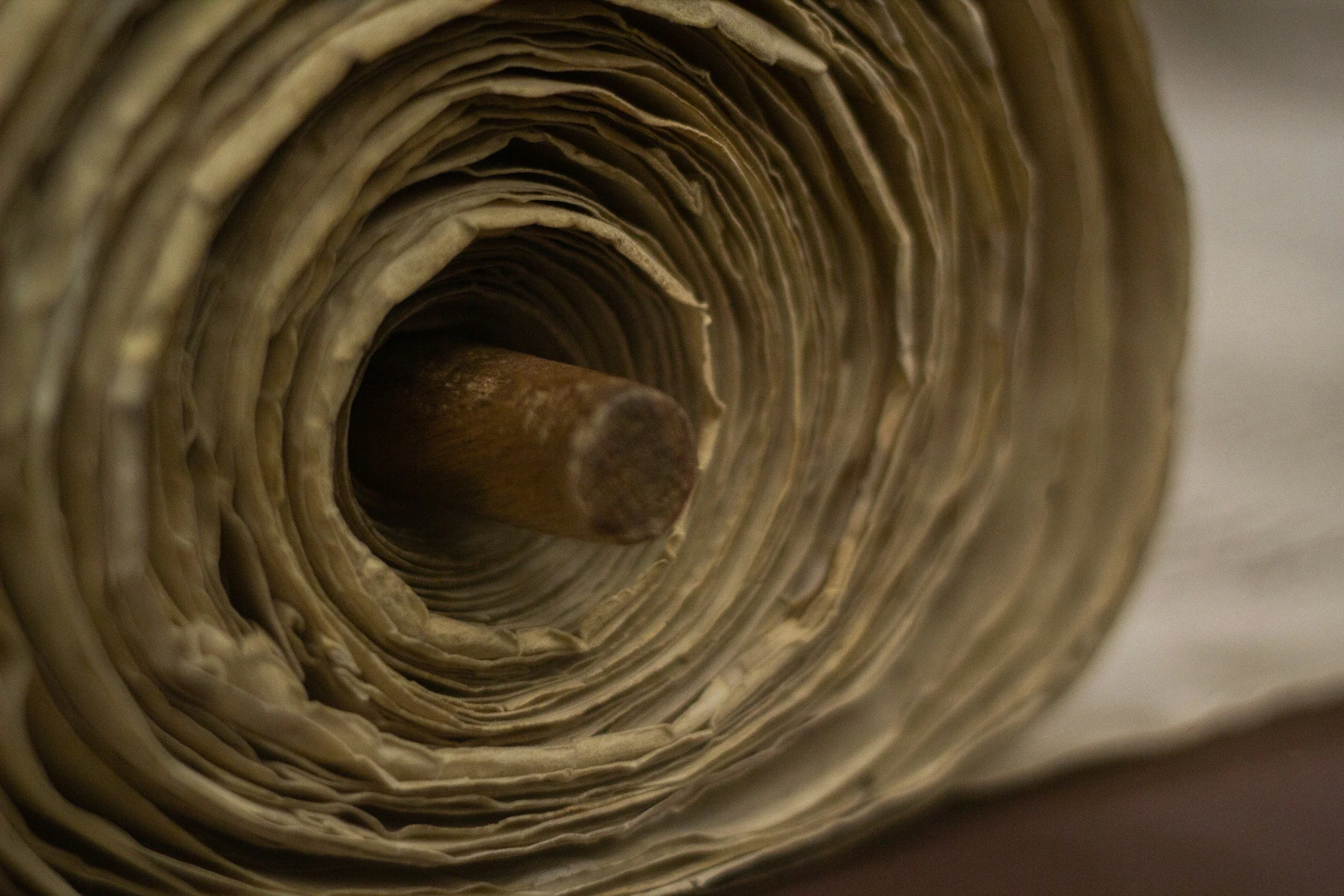
The oldest and still most widely used option. Cotton canvas is treated with a wax coating — traditionally paraffin or beeswax-based — that fills the weave and repels water. Waxed cotton is highly water-resistant, durable, and fully biodegradable at end of life, which makes it a longstanding favorite for workwear and heritage outerwear. The trade-offs: it's heavy, not very breathable, and needs periodic re-waxing to stay effective — it's water-resistant maintenance-dependent, not a one-time waterproof treatment.

Tightly woven natural fabrics
A different approach, pioneered during WWII: instead of coating the fabric, weave it so densely that water can't physically get through the gaps. Ventile®, developed in Britain in the 1940s for RAF pilots' immersion suits, is the best-known example — a long-staple cotton woven at very high thread density, where the individual fibers swell slightly when wet and close the remaining gaps in the weave. No membrane, no coating, no synthetics. It's breathable, quiet, and ages well, but it's also expensive to produce and, once fully saturated, will eventually let water through, which is why it's more common in premium or heritage outerwear than in high-volume apparel.

Wool
Wool doesn't need to be waterproof to perform like it in real conditions. Its fiber structure and natural lanolin content let it repel light moisture and continue insulating even when partially wet — wool can absorb roughly 30% of its weight in water before it feels wet to the touch, which is why it's remained a base layer and mid layer staple for outdoor and alpine use for over a century. It's not a replacement for a hard shell in sustained heavy rain, but for wind resistance, insulation, and light precipitation, it's one of the most proven natural performance fibers there is.
Cellulose-based membranes
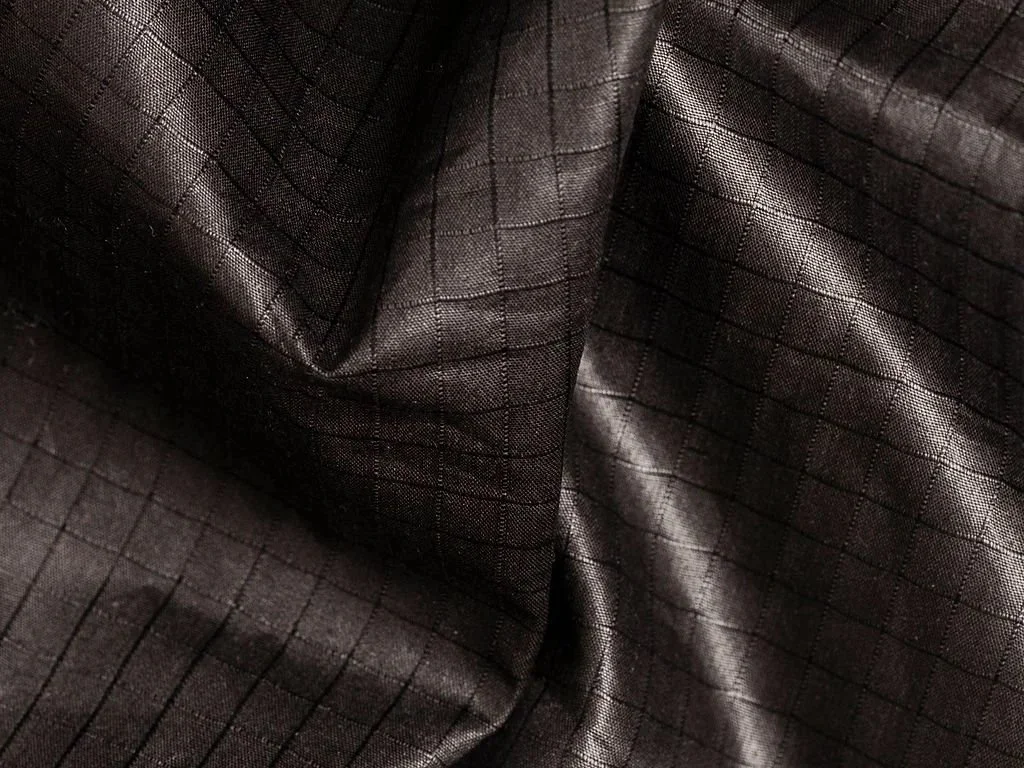
The newest category, and the one closest to a direct, drop-in replacement for synthetic waterproof-breathable membranes. Instead of weaving or coating the outer fabric, this approach builds a genuinely waterproof, breathable membrane — the same functional layer at the heart of other laminates — out of cellulose, the natural polymer found in cotton, wood pulp, and other plant fibers, instead of PTFE or polyurethane. FreyZein®, an Austrian material science company, is developing this category with its S9 and SX membrane platforms: cellulose-based, PFAS-free membranes designed to laminate onto lightweight natural face fabrics, adding windproofing, water repellency, and breathability while keeping the fabric's natural handfeel and aesthetics.
Which one makes sense depends on the use case
None of these fully replaces the others across every use case — that's the actual state of the category right now, not a solved problem. For brands trying to move a natural-fiber collection into genuinely wet-weather-capable performance wear without switching to synthetics, cellulose membrane technology is the most direct answer — it's built to do the specific job a synthetic membrane does, just from a different base material.
FreyZein® develops PFAS-free, cellulose-based membrane technology for brands and manufacturers moving natural fabrics into the performance category. Explore our technology →